Sunday, 24 November 2013

Source Code Analysis

                                                             
Source code is all bout a soldier who wakes up in the body of an unknown man only to find out that he is part of a mission to track down the bomber of a Chicago commuter train.
It stars Jake Gyllenhaal, Michelle Monaghan and Vera Farmiga.
"Change the past. Save the future."
One review of the film is:
"The story line keeps you on the edge of your seat and adds in enough humour to make it a thoroughly enjoyable experience.
There is amazing, subtle chemistry between Jake (Colter Stevens) and Michelle (Christina Warren) which really is the star of the film, performances by all the actors are excellent."

I totally agree with this review. I think Source Code is a great film and there was never a part of the film that was boring. It kept you on the edge of your seat wondering what was going to happen next.
 Also, the movie contains some romance. It is not only an action film, but also it contains chemistry between the Colter and Christina. This encourages a female audience to watch the film as well as a male audience.

Another reviewer's opinion:

"Beautiful cinematography that will make Chicago proud.
An enigmatic ending that brings up more questions than answers but it feels right.
This film delivers on romance, suspense, mystery and thrills. Highly recommended."

In my opinion, the ending of the film was perfect. But yes, it did leave more questions than answers, such as whether the passengers on the train survived or not, whether Jake stayed in the body of the unknown man or if Colter and Christina were in an imaginary world after Colleen (Vera Farmiga) turns off his life support.

The trailer is very effective for it contains certain parts of the movie that would appeal to the audience and get their attention. It gets their attention by using fast pacing action and it gets straight to the point so that people will know what the movie is about and they will want to watch it.  It has been edited to build tension and show how exciting the film is. The target audience is 16-late 20's and it is a unisex audience, for even though there is action and it is a thriller, it also contains romance which would relate to girls.


The first official 5 minutes of the film is very exciting and tension building without any action, for Colter, who Christina keeps calling Sean, doesn't understand why he is on a train with all of these people and he doesn't know what is happening, which makes it very exciting for the audience because the audience then want to know what will happen next. At the end of the 5 minutes, the train blows up, including Colter, and the audience are shocked, which is why the first opening 5 minutes are so effective.


The train scenes were based around "Strangers on a train," (1951) and they wanted to create a kind of classic story about a relationship between two strangers that met on the train. This was also brought into the wardrobe, for Colter's (Jake Gyllenhaal) wardrobe was very normal; it was a casual suit that a man would wear almost everyday. They wanted to create a feeling that this could happen to normal, innocent people. They didn't use an actual train, although they wondered if they should or not. Instead, they used a sound stage, which was important because they revisited that event multiple times in the filming, it was integral to make it work and they didn't want the audience to get bored and so they filmed through the interior of the train and created platforms outside of the train.


There was an emotional phone call near the end of the film to present Colton's life before the source code. Colton died and was in the source code for  a few months before he found out, and so it was important for him to talk to his dad, for he was talking about his dad throughout the film, which was why it was very emotional for the audience. Colton asks Christina "What would you do if you had 1 minute to live" and he answers it himself by saying "I would speak to my father," and it creates an emotional feeling for the audience. When he gets to talk to his father in the end, it's very teary for the audience because they know how important it is to Colter. It helps this thriller because it shows how ordinary he is. It shows that he isn't only an action hero, he isn't only a fighter, he is a normal man and he has feelings.


The ending of the film was very effective because throughout the film, Colter is stating about how he does not want to be a part of source code. But he realized how important Source code was, and that it could create a whole new world and save people. In the end, he tells Colleen that "if I'm right, then you have a capt. Colter Stevens waiting to send on a mission. Promise me you'll help him. And when you do, do me a favor; tell him everything is going to be okay." I think that the ending of this film shows that Colter changed his mind about the source code, and that he will continue to help with their work.


Wednesday, 6 November 2013

Film Noir


Film Noir was a term about a group of films made in Hollywood between 1941 to 1958. The term was created by French film critics.
These films are characterized by their dark, pessimistic themes that present the darker side of human nature.
These films are filmed using low-key lighting to give the films a sharp look with contrast between dark and light.
This type of film at no time misleads you into thinking that there will be a happy ending.
They are normally in locations that consist darkness, such as in the shadows, in alleys, in the back doors of fancy places, taxi drivers and bartenders are usually involved, and it is always at night when events occur.
The women in Film Noir movies will just as much kill you as love you, and vice versa.
Women would wear lipstick, low necklines, red dresses, high heels, elbow-length gloves and they would call the doorman by their first names, mix drinks, have gangsters as boyfriends and soft spots for private eyes.
Men would wear suits and ties, fedoras, living in shabby residential hotels with a neon sign flashing through the window. They are on first-name terms with homicide police, stop the little kids playing  with the bad guys, driving cars with running boards and eating in all-night diners.
The movies were either shot in black and white, or they feel like they were.
It is known as the most American film genre, for it is the most unrealistic. No society could have created a world filled with so much fear, fate, doom and betrayal.


Sunday, 3 November 2013

Alfred Hitchcock


Sir Alfred Joseph Hitchcock was an English film director and producer. He was born on August 13, 1899 in Leytonstone and died on April 29, 1980 in Bel-Air, Los Angeles.
Hithcock made around about 53 films, but he also directed others, such as Aventure Malgache in 1944.
His most famous film was "Psycho," which was in black and white, for it contained the iconic shower scene in which many horrors nowadays owe a lot of their ideas to. This was also quite a shocking movie as well, for although it wasn't seen as Hitchcock's best film, it was the most famous and shocking.  It was shocking for the fact that he killed off the supposed main character, Marion, about a third into the movie. The early death of the main character who was seen as the heroine, the violence of the shower scene and the many innocent lives destroyed by a disturbed murderer became Hitchcock's trademark, and was the reason why many other producer's and directors copied them for their own horror movies.

                                           
Hitchcock appeared briefly in his films, only slight glimpses though, easily missed, but it could show that these stories can happen in real life, and that is why it is so scary. He has a famous quote, that thrillers allow the audience "to put their toe in the cold water of fear to see what it's like," which could mean that the audience need to experience these kinds of thrillers so that they can expect them in everyday life, for they can happen any day, they are normal events that could happen to anybody at any time.

Alfred Hitchcock was harshly treated throughout his childhood, and those harsh treatments are reflected into his films. We see harsh treatment and wrongful accusations frequently in his films. For example, in The Birds, the leading lady is accused for starting the deadly attacks of the birds, and throughout the film, she was constantly attacked by the birds. However, even though Alfred Hitchcock inspired his own films, other films were inspired by his ideas. "What Lies Beneath" is a film that reminds the audience of Hitchcock's film "Rear Window," combining the murder mystery from that film and a may-or-may-not-be supernatural side. The protagonist, Michelle Pfeiffer, is a blonde heroine, the same as the women in Hitchcock films. Moreover, her husband was named Norman, which could be argued that he was named Norman after Norman Bates, from Hitchcock's film "Psycho," where Norman was the Psychopath.

Hitchcock even has his own style of movie, named Hitchcockian. Hitchcockian films are made with styles and themes similar to Alfred Hitchcock's. Some of these characteristics can be the platinum blonde woman, the domineering mother, an accusation of an innocent man, characters who switch sides or cannot be trusted, average people being thrust into dangerous situations and the use of MacGuffins or plot devices.


MacGuffin


A MacGuffin is known by other names, such as McGuffin and MaGuffin.
It is an object or device in a film that serves as a trigger for the plot. The audience doesn't care much for it but the characters do. The audience may care for it at first, they may wonder what it is for, and why the characters are so obsessed with it, but it is soon forgotten. This object drives the story forward, and it is of vital importance to the heroes and the villains even if it was an unimportant object or just mentioned and never seen. To the audience, they are seen as meaningless and easily replaceable.

“The main thing I’ve learned over the years is that the MacGuffin is nothing. I’m convinced of this, but I find it very difficult to prove it to others.” –Alfred Hitchcock
One big MacGuffin is in Alfred Hitchcock's film "Psycho," the supposed main character, Marion, is given $40,000 by her boss that she has to put in the bank, but she runs away with it so that she has the money she needs to marry her lover, Sam. But then she feels tired, so she pulls over to the side of the road and falls asleep. Then a policeman starts becoming suspicious, and she has to get away from him, and she switches cars and starts driving again, but then it is dark and she is caught in the middle of a storm so she pulls over to  The Bates Motel and stays the night. In the middle of the night she gets murdered; the owner finds her and puts her in the boot of her car along with her stuff, and the hidden $40,000 and then dumps the car in a lake where it sinks, along with the $40,000. So the audience would have forgotten the $40,000 after all of this; it showed once or twice whilst Marion was still alive, but not enough to be of importance.
 

Suspense and Shock

Suspense is a state or feeling you get when you are excited or anxious if you are uncertain over what may happen next.

In North By North West, suspension was created in the crop duster scene. When Roger Thornhill was waiting to meet Caplin, there was a crop duster in the distance supposedly dusting crops. He walked over to a man who was waiting for a bus and just before the man got on the bus, he said "That's funny, that plane is dusting crops where there ain't no crops." So that made the audience wonder what the plane was doing, but then the plane started heading for Thornhill, and there was a massive escape scene where Thornhill had to try to get away from the plane, which created suspense for the audience wondered if he would survive or not.


Suspense was also created in The Birds when we saw the scene on the farm where a man was sitting in his house, dead, with his eyes pecked out. The mother walks up to his room, finds dead birds all around the room, the room was ruined, as though there was a fight, and a man had blood all down him, his clothes were ripped, and his eyes were pecked out. This created suspense for the audience wondered what had happened and whether the same was going to happen to the mother.


Shock is a surprising event or experience or a sudden upsetting. It is a feeling of disturbed surprise resulting from a sudden upsetting event, such as a death.

In North By North West, shock is shown when Eve shoots Roger and the audience are all surprised that he is dead, it was a massive shock to the audience for they do not think that the main character would die. Then in the next scene, we find out it was all a ruse and Eve and Roger were working together to fool the villains.

There was many shocks in The Birds, some with and some without suspense. Some shocks without suspense was when Melanie first got pecked by the bird, the attack of the birds at the children's party, and when the birds came down the chimney. However, the shocks with suspense was the school attack, when Annie was dead and when the gulls pecked out the farmer's eyes. The scene when the birds came down the chimney was very shocking for the audience was not expecting it; when Mitch pointed out a bird, Melanie was shocked, for she knew exactly what was going to happen, and then the birds just started pouring out of the chimney.


Saturday, 2 November 2013

Psycho Analysis

                         
"Psycho" is an Alfred Hitchcock film that was made in 1960. It stars Anthony Perkins, Janet Leigh and Vera Miles.

The Plot

Marion Crane is a Phoenix office worker and she is tired of her life; she wants to get married to her lover, Sam, but she cant for he doesn't have the money. Her boss trusts her with $40,000 but instead of putting it in the bank, she runs away with it. However, on the way to Sam's California store, she gets caught in a storm, and so pulls into The Bates Motel. The hotel is managed by a quiet man named Norman Bates, who seems to be controlled by his mother.

Some of Hitchcock's thoughts on this movie is that the audience immediately thinks that the movie is about the $40,000, so when Marion gets murdered, it leaves the audience in shock, for they thought she was the main character and the main character never dies halfway through a movie, so it makes the audience apprehensive, knowing that anything could happen and anyone could be killed.
The audience also knows that there is a murderer in Bates Motel, however they don't know when or where s/he will strike next, so they have to be ready always, which creates suspense throughout the movie.

This is an archetypal thriller for it contains non-diagetic music, it contains thrilling music whenever something is going to happen, getting the audience alert and building up suspense and excitement. Also, it creates tension throughout the whole movie, the first part being when Marion stopped her car to let people cross the road and her boss saw her after she told him she was going home for she felt ill, so the audience wondered what was going to happen next; was she the psycho? Was she going to kill him?

"Thrillers are characterized by fast pacing, frequent action." This is shown in "Psycho" in three different examples. These examples are:
  • The shower scene
  • The car scene
  • The staircase scene
The shower scene is the most iconic famous scene to be known in the history of horrors. "Psycho" wasn't seen as Hitchcock's best film, but it was the most memorable, and Horrors nowadays owe a lot to this movie. Especially the shower scene.


This scene is very fast pacing with frequent action for she is in the shower washing herself and then suddenly a silhouette appears on the shower curtain with a knife, making the audience wonder how Marion will get out of this situation. They assume that because she is made out to be the main character, she must survive, but then she dies and it leaves a big impression on the audience, for nobody is safe. The scene also has non-diagetic music, quite thrilling as well to show that this scene is going to turn out badly. Then Marion gets stabbed numerous times and it is all very fast paced throughout the scene.

The car scene is when Marion is trying to get away from her old life; she is driving away but there is a storm, and so she can't see her way properly. Throughout her journey, she is imagining what she has left behind; what her boss and colleague would be saying, what her sister would be saying and everyone's reaction on her departure. The scene contains non-diagetic music and it starts to get louder once we hear everyone talking, making the scene very chilling and like something is going to happen. This scene creates a Red Herring, which is something that we think is going to happen but doesn't, for it makes her seem like she is the Psycho.

 The staircase scene is when Arbogast, the detective, is trying to dig out information on the mother. He goes into the house and up the stairs, however, it shows us a different angle, where a door opens and a silhouette of someone walks out. As Arbogast gets to the top of the staircase, a woman attacks him, presumably the mother, and stabs him, then he falls down the stairs, it is all fast pacing action, and then when he gets to the bottom of the staircase, she stabs him numerous times. The music is chilling, it is like someone scratching their nails on a chalkboard, and it creates tension and chills throughout the scene.

 
"Resourceful heroes who must thwart the plans of more powerful and better equipped villains."
I don't think this is true of "Psycho" for there aren't any heroes. Norman Bates plays out to be a sweet innocent guy in the meeting of Marion, and when she was murdered in the shower, he recovered her body and seemed alarmed by it, making him seem like the hero, but then he started acting suspicious, dumping the body along with all of her stuff into her car which then sunk in a lake. Also, the detective was killed by Norman's "mother" so he can't have been very heroic trying to thwart the plans of the villains.

"Devices such as Red herrings, suspence and cliffhangers and used extensively."
"Psycho's" "true ingeniousness lies in it's construction." There are two major Red Herrings in this movie; the shower scene and the revelation of "mother." The shower scene is a red herring for the audience do not expect the supposed main character to die, but she does, and the revelation of mother is a red herring for we do not expect the murderer to be Norman dressed as his mother, we expect his mother to have faked her death, not for him to be dressing up as her, pretending she is still alive and blaming murders on her.
 Also, in this scene, there is tension building for when Marion's sister turns "Mrs Bates" around, we see that she is a skeleton, and so she is dead, so the audience then wonders who the actual murderer is. The music brings up the most tension though, for as soon as "Mother" is turned around, it intensifies and gets louder, gets more chilling, and so we know we are going to find out who the killer is.


The music plays quite a big part in the building suspense. It lets the audience know when something is going to happen for quite chilling music starts playing in the background, and so the audience knows that someone is going to die.

"A thriller is a villain driven plot, whereby he must present obstacles the hero must overcome."
This is true of "Psycho" for the movie is all about the murderer. It is all about the family and friends of Marion trying to find out what has happened to her, and why. The movie is called "Psycho" for it is about the murderer, and the murderer is the Psycho. Also, the psycho has to make sure the people trying to figure out what is going on cannot fault his/her plans, and so he has to present obstacles; murdering them. The villain in this movie is the innocent, sweet, insane Norman Bates.

Hitchcock said thrillers allow the audience "to put their toe in the cold water of fear to see what it's like." He has succeeded in this film for although it wasn't classified as his best film, it was still horrifying. It still created suspense, tension and excitement, and it showed the insane. These people exist, serial killers do exist, they are mentally insane and that is why i feel that Hitchcock has succeeded in "Psycho."


Friday, 1 November 2013

Lighting Exercise


Types Of Thrillers

There are many different types of sub genres of thrillers. Some of these are: Action Thrillers, Supernatural Thrillers, Crime Thrillers, Psychological Thrillers, Mystery Thrillers, Disaster Thrillers and Conspiracy Thrillers.


Action Thrillers

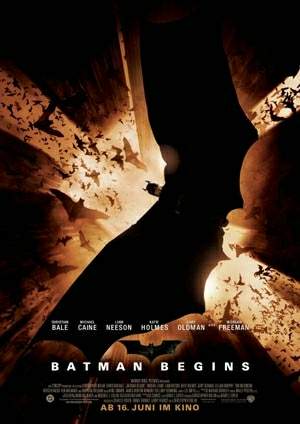
All action thrillers contain fast pacing action and a sense of violence, whether it is fighting without a weapon or with a gun or car chasing. There is also more blood in the scenes to dramatically show the violence in the Action Thriller. the villains are obvious in these types of thrillers, like the joker in Batman. Some of these films below show Action Thrillers:


Supernatural Thrillers

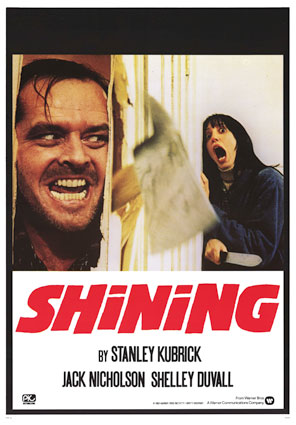
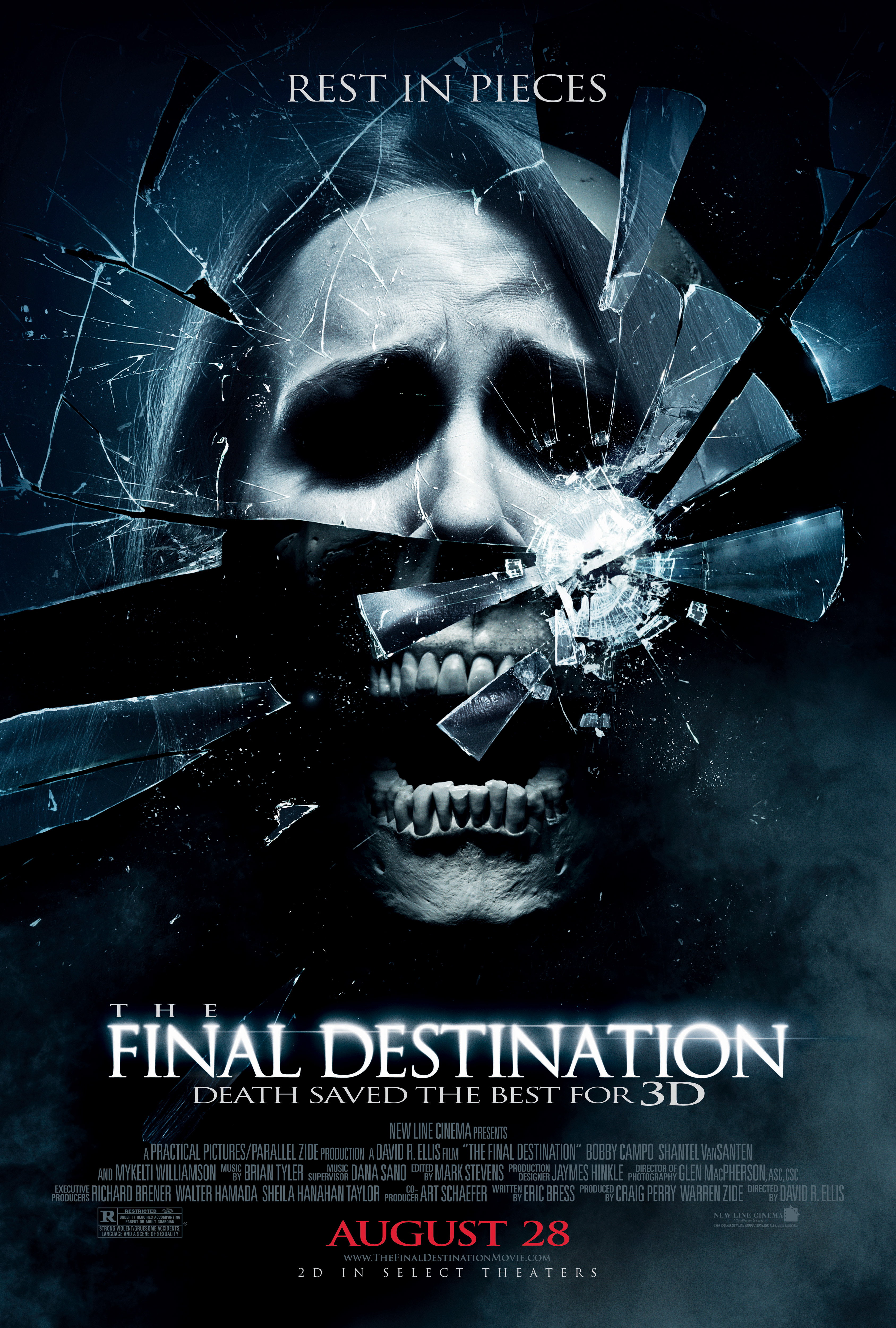
 These thrillers have an element of supernatural to the genre. They usually have a plot twist in the middle, where the main character could obtain some kind of ability they never knew they had; e.g psychic ability. Some of these films below show Supernatural Thrillers:


Crime Thrillers 

This type of thriller is all about committing crime. It emphasizes action an it usually involves the crime that is being committed failing in a certain aspect. It includes robbers, murders, guns, shootouts and kidnapping. Some of these films below show Crime Thrillers:


Psychological Thrillers

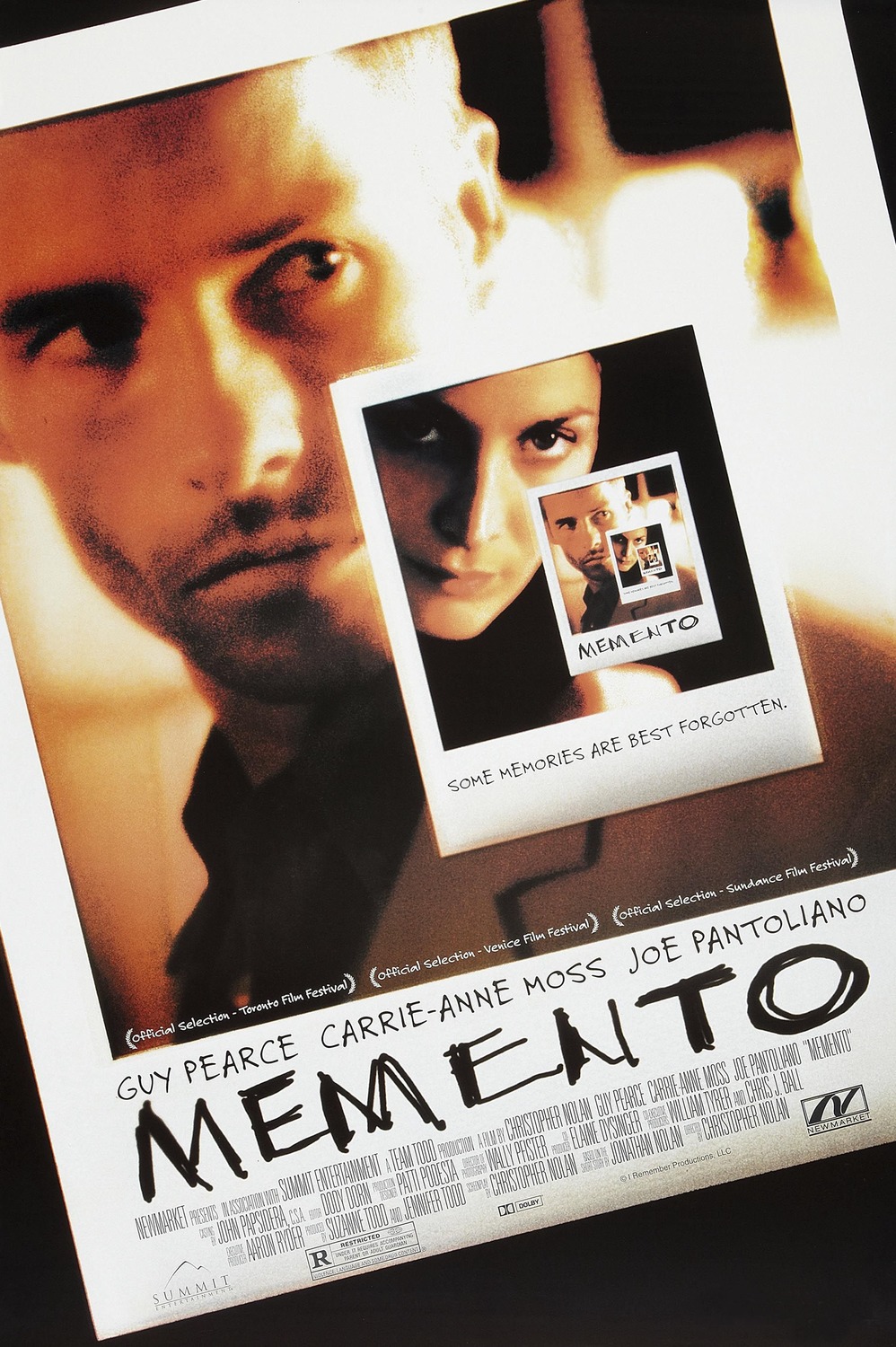
This thriller is when the suspect does not use physical strength but psychology to get to their victim. The suspense from this type of thriller often comes from two or more characters battling against each other by using their minds, either by playing deceptive games with the other or by trying to ruin the others mental state. Some of these movies below show Psychological Thrillers:

 The Experiment (2010) Poster      

Mystery Thrillers

This thriller focuses on the efforts of the detective to solve the mysterious events of a crime by means of clues, investigations and clever deductions. The plot often focuses on the deductive ability, confidence and diligence of the detective as they try to uncover the crime or situation by putting clues and events together, finding evidence, interrogating witnesses and tracking down criminals. Some examples of Mystery Thrillers are shown below:


Disaster Thrillers  

Disaster Thrillers count on catastrophes in their work, which are mostly man-made or natural. There can be natural catastrophes such as earthquakes, floods, hurricanes and tropical storms, Man-made catastrophes such as plane crashes, bombs and terrorist conspiracies or there can be catastrophes that don't fall under those two categories, such as the end of the world, alien invasions, viruses unleashed and meteors/asteroids off-course. Some examples below show Disaster Thrillers:


Conspiracy Thrillers 

The protagonists of Conspiracy Thrillers are often journalists or amateur investigators who find themselves uncovering a vast conspiracy. Conspiracies are often played out as "Man-In-Peril" or "Woman-In-Peril" stories, or they can also be Whodunnits and detective stories. A common theme in this type of thriller is that the characters uncovering the conspiracy encounter difficulty whilst trying to obtain the truth throughout the deceptions: rumors, lies, propaganda and counter-propaganda build one upon another until the conspiracy and the coincidence become entwined. These examples below are Conspiracy Thrillers:

Image of The Bourne Identity       Image of North by Northwest    Image of The Adjustment Bureau